
Essential 21st Century Skills: Practical Examples and Applications

Understanding 21st Century Skills
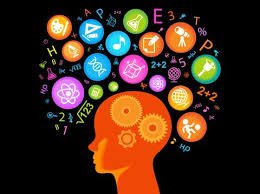
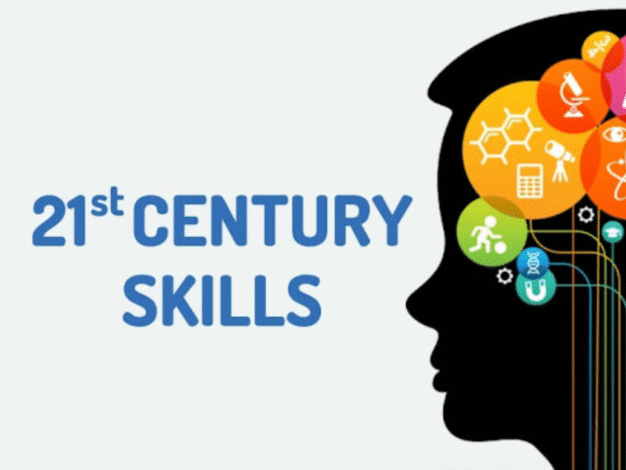
In the current landscape marked by rapid technological advancement and constant change, the definition of skills has evolved. 21st century skills are a diverse set of competencies that include critical thinking, problem-solving, collaboration, communication, and digital literacy. Unlike traditional skills, which often focus on rote memorization and foundational knowledge, 21st century skills emphasize application, adaptability, and innovation. These skills prepare individuals not just to thrive in the workforce but also to engage as informed citizens in a global community.
The significance of 21st century skills is underscored by the unprecedented shifts in employment and societal needs. As industries pivot towards technology-driven solutions, the demand for individuals who can think critically and embrace complex problem-solving increases. Skills such as adaptability, creativity, and emotional intelligence are becoming just as vital as technical know-how. This is especially pertinent in roles that require teamwork and effective communication, highlighting the necessity for individuals to possess strong interpersonal skills alongside their technical abilities.
Moreover, digital literacy distinguishes itself as a cornerstone of 21st century skills. In an era where digital technology permeates all facets of life, being literate in these technologies is crucial. This extends beyond simple computer skills to include the ability to analyze information critically, engage with diverse digital platforms, and leverage technology for collaborative work, research, and problem-solving. Ultimately, mastering these skills facilitates not just personal success but also contributes positively to the society at large.
Practical Examples of 21st Century Skills in Action
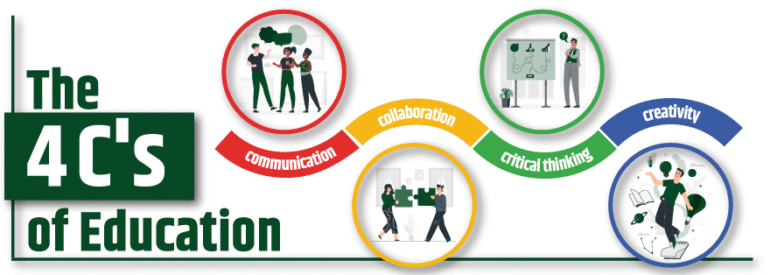
In the rapidly evolving landscape of the 21st century, the application of critical skills is paramount across various fields such as education, business, and STEM (science, technology, engineering, and mathematics). These areas illustrate the significance of collaboration, creativity, and communication, which are foundational to success in the modern world.
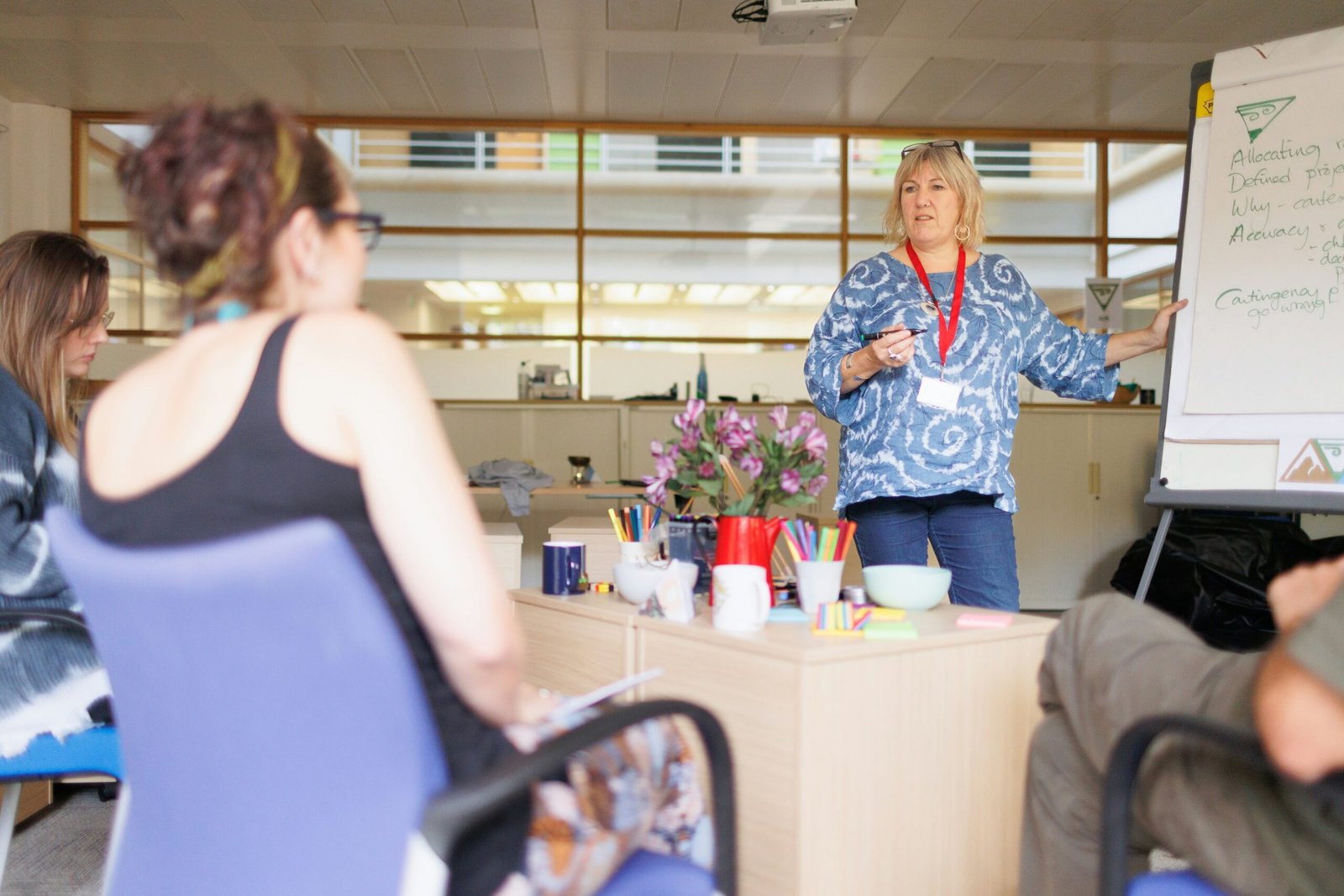
In education, an exemplary case can be observed in project-based learning environments. Here, students work in teams to tackle real-world problems, learning to utilize collaboration and creativity effectively. For instance, a high school class might collaborate to design a sustainable community garden, where students engage in research, budgeting, and planning. This hands-on approach enhances their critical thinking and problem-solving abilities, which are essential 21st century skills.
In the corporate sector, businesses are increasingly adopting agile methodologies that emphasize teamwork and adaptability. One notable example is the use of cross-functional teams at tech giants. Companies such as Google employ diverse teams that brainstorm innovative solutions, showcasing creativity and effective communication as team members share ideas across disciplines. This culture not only fosters innovation but also prepares employees to adapt swiftly in a competitive market.
In the realm of STEM, interdisciplinary collaboration is becoming more prevalent. Research projects often involve scientists, engineers, and researchers working together to develop new technologies or solutions, such as in the case of renewable energy initiatives. When teams pool their expertise, they are more likely to create innovative outcomes that could not be achieved individually, thereby highlighting the importance of collaboration and effective communication.
These practical examples underscore how essential 21st century skills manifest in various fields. By actively engaging in collaborative projects, fostering creativity in teams, and ensuring clear communication, individuals can navigate the complexities of modern challenges effectively.
How to Develop and Foster 21st Century Skills
As we progress further into the 21st century, developing crucial skills is imperative for both individuals and organizations. One effective strategy for cultivating these skills is project-based learning. This educational approach encourages learners to engage with real-world challenges, promoting critical thinking, creativity, and collaboration. Through hands-on projects, individuals can enhance their problem-solving abilities, adapt to changing circumstances, and work cohesively with others towards a common goal.
Collaborative projects are another avenue to foster essential 21st-century competencies. By working in diverse teams, participants can learn to navigate different perspectives and resolve conflicts, which are vital in today’s interconnected world. Organizations and educational institutions can encourage collaboration by establishing platforms where learners can share ideas, provide feedback, and build upon one another’s strengths in a supportive environment.
Moreover, adopting digital tools is paramount in the current technological landscape. Virtual collaboration tools, such as Microsoft Teams or Google Workspace, offer functionalities that enable effective team communication and project management. Utilizing these tools can also facilitate the development of digital literacy—a key component of 21st-century skills. Individuals can become adept at navigating and utilizing various digital resources for information gathering, communication, and content creation.
Furthermore, integrating skills development into daily activities can yield significant benefits. For instance, engaging in community service projects allows individuals to practice empathy, leadership, and civic responsibility. By participating in such initiatives, learners can develop a stronger sense of social awareness and responsibility, essential traits for thriving in the modern world. Utilizing diverse resources, such as online courses, workshops, and community programs, can also assist in skill enhancement.
The Future of 21st Century Skills: Preparing for Tomorrow
The landscape of work and education is rapidly evolving, driven by advancements in technology and changes in societal expectations. In this dynamic environment, the significance of 21st century skills continues to grow, necessitating a proactive approach to prepare for the future. Skills such as critical thinking, creativity, collaboration, and communication remain essential but are increasingly interwoven with digital literacy and adaptability.
As remote work becomes more commonplace, understanding how to navigate virtual environments effectively is paramount. Workers must be equipped with not only the technical skills to use various digital platforms but also the interpersonal skills necessary for effective communication and collaboration in a remote setting. Digital citizenship is another vital component, as individuals must learn to navigate online identities responsibly, ensuring they engage positively and ethically in digital spaces.
Moreover, adaptability stands out as a key skill for the future workforce. As industries evolve and new technologies emerge, the ability to learn and unlearn quickly will determine one’s success. This need for flexibility demands a shift in both academic and professional training, focusing not solely on content mastery but also on developing a mindset geared towards lifelong learning. Educational institutions are beginning to embrace this shift, incorporating project-based learning and interdisciplinary approaches to cultivate these essential skills.
In summary, the future of 21st century skills involves a holistic understanding of technology, communication, and a mindset of adaptability. By emphasizing these competencies, individuals can better position themselves to thrive in a world that is constantly changing. Preparing for tomorrow involves recognizing these trends and actively engaging in skill development to meet the demands of an increasingly complex global landscape.


It’s a great blog!