
Micro learning

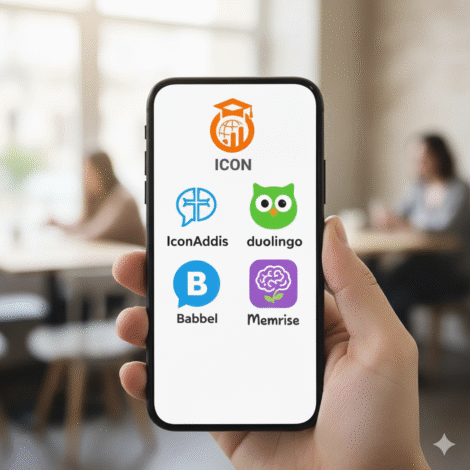
AI Content Creator
What do you want to make today?
Content Type
Choose the type of content that will be generated
Tone of voice
Neutral
Choose your desired emotional impact on readers
Content length
Choose the length of generated content
What is your content about?
Create a blog on how Mobile Apps transform our Language mystery and the contemporary education landscape. Give the most accessible Mobile Apps with their specific features
You’re good to go, but you can share more details for better results
What are the focus keywords of your content?
Optional
If you skip this part, AI will automatically generate keyword suggestions after you generate the content
0 selected
Press Enter key to finalize a keyword
Create content
post neutral medium
Keywords
These keywords can help your article and website rank higher in search engines. You can input up to 5 keywords.
5 selected
Meta description
Explore the modern challenges of language acquisition and how mobile apps are revolutionizing language education. This blog discusses the diverse learning styles, accessibility barriers, and the increasing demand for flexible, efficient learning solutions. Learn how leading language-learning applications like Duolingo, Babbel, and Rosetta Stone enhance engagement and accessibility. Discover the future trends in language education, including the integration of AI and personalized learning experiences, that are shaping a more inclusive and effective educational environment for learners across the globe.
AI-generated image
Use this image as:
External featured image
Insert this image inside content
Transforming Language Learning: How Mobile Apps Revolutionize Education
The Language Mystery: Understanding Modern Challenges
The journey of language acquisition in today’s fast-paced world presents a multitude of challenges. One of the primary obstacles learners face is the diverse range of learning styles and preferences. Individuals absorb information differently; some may excel through auditory methods, while others benefit from visual aids or hands-on experiences. Consequently, a traditional one-size-fits-all approach to language education often fails to meet the varied needs of learners. As a result, many find it challenging to engage with conventional teaching methods that do not align with their personal learning styles.
Additionally, accessibility remains a significant barrier for many prospective language learners. Factors such as geographical location, socioeconomic status, and time constraints can hinder individuals’ ability to access effective language instruction. For those living in remote areas, finding a qualified teacher may prove difficult. Similarly, busy professionals or students juggling multiple responsibilities might struggle to find the time to attend regular classes. These obstacles necessitate the development of innovative solutions that make language learning more inclusive and flexible.
Furthermore, the rapid pace of contemporary life adds another layer of complexity to mastering a new language. People are increasingly seeking quick and efficient methods of acquiring language skills that complement their hectic schedules. Traditional classroom settings often require a significant time commitment, which may not be feasible for everyone. As a result, learners often feel discouraged and are more likely to abandon their language learning pursuits altogether.
By identifying these modern challenges, it becomes clear that an ideal mobile app has the potential to address a wide array of needs. Such applications can provide tailored language learning experiences that cater to individual preferences, while also enhancing accessibility and accommodating the demands of contemporary life.
The Rise of Mobile Apps in Language Learning
Language education has undergone a significant transformation over the decades, evolving from traditional classroom settings to dynamic digital platforms. This shift has been notably propelled by the advent of mobile applications, which have revolutionized how individuals engage with language learning. Historically, language acquisition was primarily confined to structured environments where learners relied on textbooks and the guidance of educators. However, with the proliferation of technology, it has become evident that learners seek more flexible and accessible learning solutions.
The statistics surrounding mobile device usage are staggering. As of 2023, approximately 85% of the global population owns a smartphone, providing unprecedented access to information and resources at an individual’s fingertips. This surge in mobile device ownership has paved the way for the rise of language-learning apps like Duolingo, Babbel, and Rosetta Stone. These applications offer structured yet adaptable learning experiences that cater to diverse learning preferences and lifestyles, making it easier for users to incorporate language study into their daily routines.
Moreover, the convenience offered by mobile apps plays a crucial role in their popularity. Unlike traditional education methods, which often require fixed schedules and physical presence in a classroom, language-learning apps allow users to learn at their own pace, anytime and anywhere. This flexibility is particularly beneficial for modern learners who juggle multiple commitments such as work, school, or family obligations. The gamification features and interactive lessons in these apps also keep learners engaged, encouraging consistent practice, which is essential for language retention.
In essence, the rise of mobile apps has marked a significant turning point in language education, reflecting a broader trend toward digital learning solutions that align with the needs of contemporary students. This ongoing evolution signifies that mobile applications will continue to play a pivotal role in shaping the future of language acquisition.
Key Features of Leading Language Learning Apps
Mobile apps have transformed the landscape of language learning, making it more accessible and engaging than ever. Leading applications like Duolingo, Babbel, Rosetta Stone, and Memrise stand out for their diverse functionalities and unique features that cater to various learning styles.
♦  Duolingo, one of the most popular apps, employs a gamified approach to education. Its interactive exercises not only make learning entertaining but also incorporate a point system, rewarding users for completing lessons and daily challenges. The app’s bite-sized lessons enable learners to study at their own pace and maintain motivation through friendly competitions with friends.

Babbel, on the other hand, focuses on real-world conversations and practical vocabulary. Its lessons are carefully structured to ensure that users can apply what they’ve learned in daily situations. The speech recognition technology within Babbel further enhances learning by allowing users to practice pronunciation, providing instant feedback to improve their speaking skills.
 Rosetta Stone is renowned for its immersive method, utilizing a combination of visual and auditory cues. This app encourages users to think in the target language rather than relying on translations, which can effectively deepen language comprehension. Additionally, its live tutoring sessions provide personalized support, allowing learners to refine their skills and engage directly with native speakers.
 Memrise leverages a community-driven approach. Users can learn from real-life video clips of native speakers, enriching their linguistic experience with cultural context. The spaced repetition technique used in Memrise ensures that vocabulary retention is optimized, allowing learners to build a robust lexicon over time.
The distinctive features of these apps—from gamification to speech recognition and community engagement—play a significant role in enhancing the overall language learning experience, catering to the varied needs of users and fostering an effective educational environment.
The Future of Language Education: A Mobile-First Approach
The landscape of language education is on the cusp of a significant transformation driven by the rapid advancement of mobile technology. As mobile applications become increasingly sophisticated, the future of language learning appears to be leaning towards a mobile-first approach. This paradigm shift is anticipated to be shaped by several key trends that utilize artificial intelligence (AI) and personalized learning experiences to cater to individual learner needs.
One of the most promising developments within mobile language education is the integration of AI. By harnessing the power of machine learning, mobile apps are poised to offer personalized feedback and adaptive learning paths tailored to each user’s proficiency level and learning pace. This dynamic responsiveness is expected to transform the conventional, one-size-fits-all methodology, thereby enhancing the learning experience. Learners can receive immediate, contextual feedback through mobile applications, which can lead to more effective and engaging practice sessions.
Furthermore, the anticipated enhancement of user feedback mechanisms will significantly improve educational outcomes. Through real-time performance tracking and analytics, mobile apps will enable learners to monitor their progress effectively. Gamification elements will also likely play a crucial role in maintaining motivation, as users engage in interactive challenges that promote consistent practice and skill development.
The evolving capabilities of mobile applications will cultivate a more inclusive environment for language learners across various demographics. Accessibility features designed for diverse audiences will ensure that individuals from different linguistic backgrounds, and with varying learning abilities, can partake in language education without barriers. Thus, adopting these technological advancements becomes imperative for educators and learners alike, as they navigate the future of language education that emphasizes accessibility, engagement, and efficacy.





Responses